On 20 May 1971, under the blazing summer heat of southwestern Bangladesh, thousands of civilians gathered in the small riverside town of Chuknagar hoping to escape one of the deadliest military crackdowns in South Asian history.
By sunset, the town had become a mass grave.
The victims were mostly unarmed refugees — many of them Hindu families — fleeing the violence unleashed during the Bangladesh Liberation War. Witnesses say Pakistani troops opened indiscriminate fire on crowds packed into roads, markets, boats, and riverbanks.
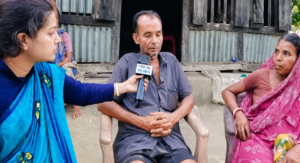
More than five decades later, survivors still describe the massacre as a scene beyond imagination.
“People were falling everywhere. There was no place to run,” recalled one survivor in later interviews collected by Liberation War researchers. “The canals and rivers were filled with bodies.”
A Refugee Route Turns Into a Killing Field
In the weeks following the Pakistani military operation launched on 25 March 1971, millions of Bengalis attempted to flee toward neighboring India.
Chuknagar, located in Khulna’s Dumuria region, became a critical transit point for refugees moving toward the border. Families arrived carrying children, bags of rice, clothing, and whatever valuables they had managed to save from burned homes and destroyed villages.
Many believed they were close to safety.
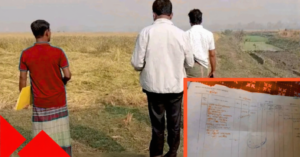
Local residents say the town was overflowing with people by the morning of 20 May. Shops, roadsides, riverbanks, and open fields were packed with exhausted civilians waiting to continue their journey.
Then the shooting began.
“There Was No Escape”
According to eyewitness accounts, Pakistani soldiers entered the area around midday, allegedly accompanied by local collaborators.
Without warning, machine-gun fire erupted across the crowded settlement.
Panic spread instantly.
Witnesses described mothers trying to shield children, elderly people collapsing while running, and entire families disappearing within seconds. Some civilians jumped into rivers and canals to escape the bullets, but many drowned or were shot in the water.
Survivors say the firing continued for hours.
Many bodies reportedly remained unburied for days.
The Death Toll Debate
Historians believe the Chuknagar massacre was one of the largest single-day mass killings of civilians during the 1971 Bangladesh Liberation War.
However, the exact number of victims remains disputed.
Researchers, local historians, and Liberation War documentation groups commonly estimate that between 10,000 and 12,000 people were killed on that day alone. Some local accounts place the figure even higher.
Because of the chaos of war, the movement of refugees, and the absence of formal records, an exact verified number has never been established.
Yet historians agree on one point: the scale of the massacre was enormous.
Targeting Civilians
Researchers say a significant number of the victims were Hindus attempting to cross into India amid fears of ethnic and religious persecution during the conflict.
Human rights scholars and war historians have repeatedly cited Chuknagar as an example of systematic violence against civilians during the 1971 war.
For decades, survivors and victims’ families have demanded greater international recognition of the massacre.
Remembering Chuknagar
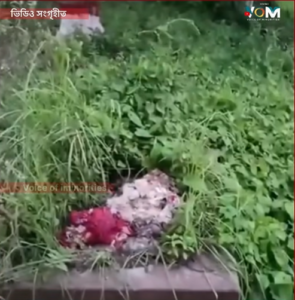
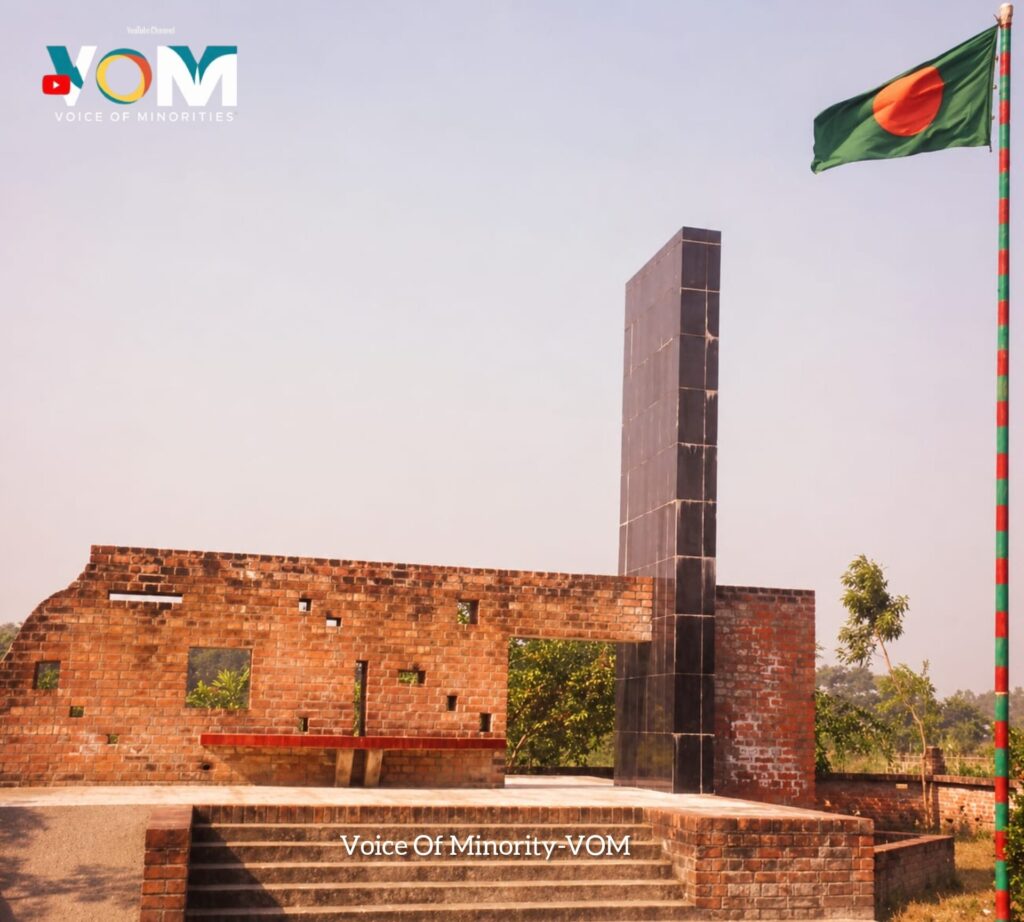
Today, a memorial stands in Chuknagar to honor those killed.
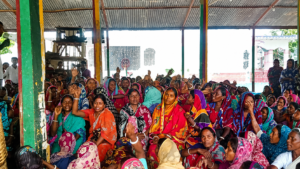
Every year on 20 May, people gather there with flowers, candles, and prayers. Survivors return to remember relatives who never made it across the border.
For many Bangladeshis, Chuknagar is not only a historical tragedy — it is a symbol of the immense human cost of the Liberation War.
And for the families still searching for closure, the memories of that day remain painfully alive.