By Special Correspondent
Rampal, Bagerhat | Historical Report | 21/05/2026
On 21 May 1971, the quiet riverside village of Dakra in present-day Bagerhat district turned into a scene of mass killing during the Bangladesh Liberation War.
Hundreds of unarmed Hindu refugees — including women and children — were massacred by members of the Razakar militia, local collaborators allied with the Pakistan Army, in what historians describe as one of the brutal atrocities of the 1971 genocide in Bangladesh.
A Village Turned Refugee Shelter
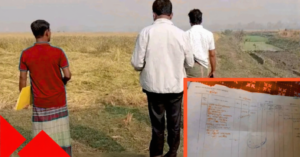
By May 1971, violence across East Pakistan had forced countless Bengali families to flee their homes. Dakra village, located near the Mongla River in the Khulna region, became a temporary refuge for Hindus attempting to escape to India through the Sundarbans route.
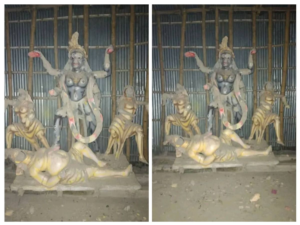
Many refugees gathered around Dakra Kali Temple, a well-known religious site led by a respected spiritual figure, Badal Chandra Chakraborty, locally known as “Noa Thakur.” Families arrived by boat from nearby villages carrying food, valuables, and children, hoping to cross the border safely.
Witnesses later recalled that by 21 May, the area had effectively become a crowded refugee camp.
The Attack
According to historical accounts, armed Razakar members led by Rajab Ali Fakir arrived in Dakra by boat on the afternoon of 21 May 1971. Shortly afterward, indiscriminate firing began on the crowded civilian population.
Panic spread instantly.
Terrified villagers and refugees tried to escape through nearby canals and rivers. Many jumped into the water to avoid gunfire, but witnesses said attackers continued shooting at fleeing civilians. Historical reports state that numerous people were killed while attempting to swim to safety.
Survivors also described widespread looting, arson, and violence in the surrounding villages after the massacre. Homes were burned, and many families disappeared forever.
Death Toll and Historical Record
Research and local documentation estimate that around 646 people were killed in the Dakra massacre, although some accounts suggest the real number may have been higher because many bodies were never formally identified.
The victims were predominantly Bengali Hindus fleeing persecution during the wider genocide carried out in East Pakistan in 1971. Historians note that Hindu communities were especially targeted during the conflict.
Search for Justice
Decades later, the massacre remained part of Bangladesh’s war crimes investigations.
Historical records show that Jamaat-e-Islami leader AKM Yusuf was among those accused in connection with crimes committed during the Liberation War, including responsibility linked to the Dakra killings.
However, survivors and families of victims have long argued that many perpetrators were never fully brought to justice.
Memory Without a Monument
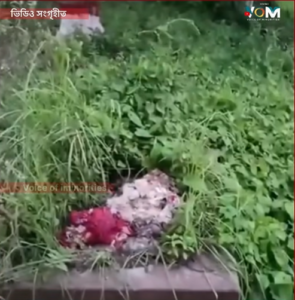
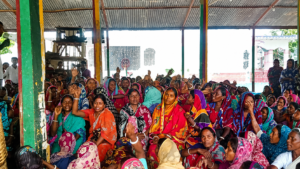
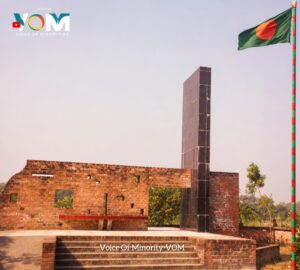
Despite the scale of the killings, reports indicate that Dakra still lacks a major national memorial dedicated to the victims. Local organizations and residents occasionally organize remembrance programs to honor those who died there in 1971.
For many Bangladeshis, the Dakra massacre remains one of the lesser-known yet deeply painful chapters of the Liberation War — a reminder of how ordinary civilians fleeing violence became targets of one of the darkest episodes in the country’s history.