By Staff Correspondent
Habiganj, Bangladesh | Labour & Rights Report | 26/05/2026
Thousands of tea garden workers in Bangladesh’s Habiganj district have begun an indefinite strike demanding unpaid wages, food rations, housing repairs, healthcare facilities, and festival bonuses ahead of the Hindu religious festival of Durga Puja.
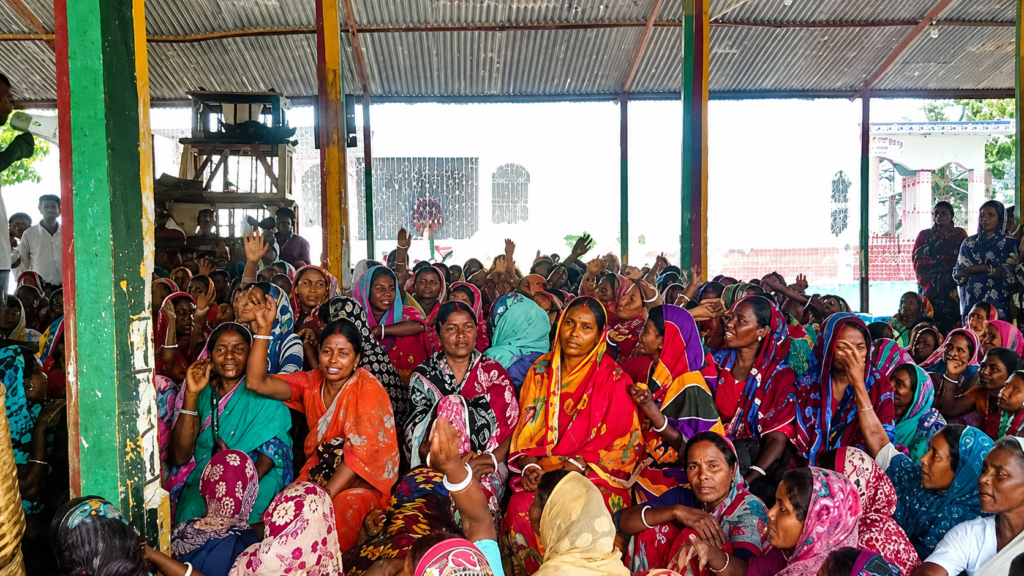
The strike began Monday morning across four tea estates in Chunarughat and Madhabpur upazilas, including the Deundi, Lalchand, Gitri, and Noapara tea gardens.According to labor representatives, nearly 5,000 workers have stopped work in protest against what they describe as years of neglect, exploitation, and broken promises by garden authorities.
Most of the workers involved belong to historically marginalized Hindu and indigenous tea-worker communities, many of whom say they are struggling to survive amid rising living costs and delayed wage payments.Workers alleged that they had not received regular weekly wages for several weeks, leaving many families unable to buy food or basic necessities.The crisis has become even more severe ahead of the upcoming Durga Puja festival, traditionally the largest religious celebration for many tea-worker families. Laborers claim promised festival bonuses and daily ration supplies have also remained uncertain, creating deep anxiety among workers already living in poverty.
Inside the tea estates, frustration has reportedly been building for months.Workers gathered in open fields and garden areas on Monday, chanting slogans demanding fair wages, proper treatment, and recognition of what they called their basic human rights.Several laborers said conditions inside the gardens have deteriorated sharply, with damaged housing, limited medical care, and inadequate workplace protections continuing for years without meaningful reform.
The unrest comes weeks after a tripartite meeting held on 6 May at the divisional labor office in Sreemangal involving labor officials, worker representatives, and tea garden management.
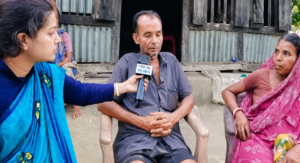
According to workers, the meeting failed to produce effective solutions regarding wage increases, housing repairs, healthcare access, and implementation of labor rights guaranteed under Bangladeshi law.Speaking on behalf of the protesters, Deundi Tea Garden Panchayat Committee president Apon Santal accused the management of repeatedly giving assurances without fulfilling commitments.
“They have continued to deceive workers with promises,” he said. “Even decisions discussed in meetings were not properly implemented. That is why workers have been forced to begin this movement.”
He warned that the strike would continue until all seven demands raised by workers are addressed.Rights observers say the latest unrest highlights the long-standing economic hardship faced by Bangladesh’s tea-worker communities, many of whom remain among the country’s most socially and economically vulnerable populations despite generations of labor in the tea industry.
As the strike continues, uncertainty is growing over how long workers and their families can survive without immediate intervention from authorities or estate owners.